
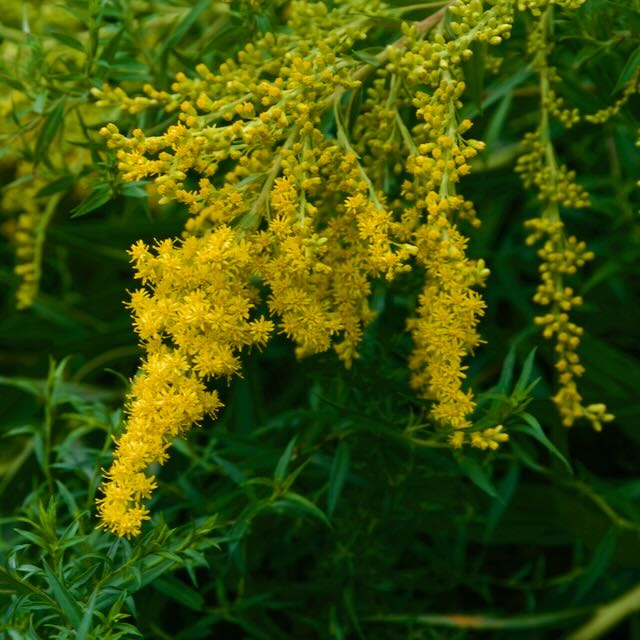
Goldenrod is a native, hairy, herbaceous, perennial member of the Aster family.
Hands up if you’ve always thought of Goldenrod as a pesky weed. I hope that, when you’ve read this post, you might reconsider and see them as very special wildflowers…
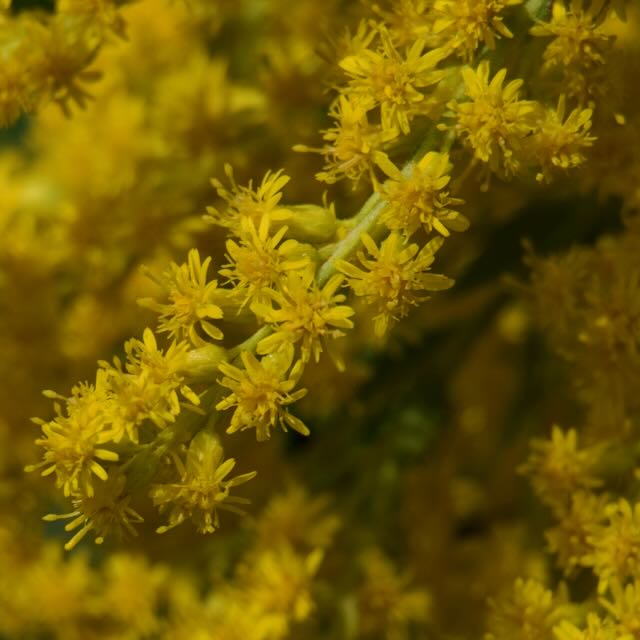
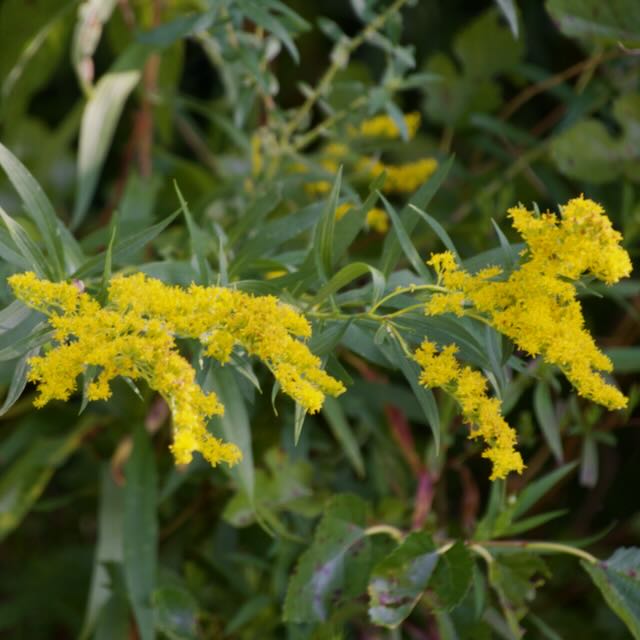
Goldenrod is the predominant autumn show-stopper — adorning our roadsides and meadows with splashes of glorious golden-yellow. Because they’re so common, we tend not to think about or look at them too closely, but… Have you ever paused for a close-up examination of these beauties? Every sprig of blossoms is made up of hundreds of tiny, exquisite flowers.
The Fable of the Goldenrod
An old woman, walking through the woods, was weary and frightened. She begged the trees for a branch to use as a walking stick, but they all refused. The woman found a stick on the ground and asked it for help. The stick agreed to be her staff, and she leaned on it to finish her trek through the woods. Wonderously, when she reached the edge of the forest, she turned into a Faerie. She was very grateful for her cane’s help, and told him so. She sprinkled golden fairy dust on the stick and it magically became a beautiful, golden blossom — Goldenrod — evermore a lucky charm.
Value of Goldenrod — To Humans
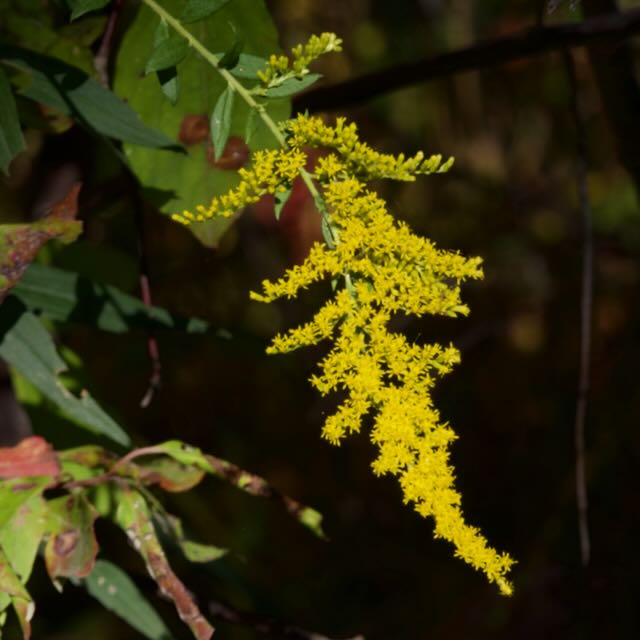
According to First Nations’ and Indigenous folklore, Goldenrod is a medicinal herb, used to treat bee stings and to staunch blood flow from wounds — apparently very effectively. They also brewed goldenrod tea to use as a diuretic to support urinary health.
Herbalists recommend Goldenrod Tea for its anti-inflammatory properties, and as a remedy for allergies, colds, congestion and sore throats.
Pioneer women brewed/steeped Goldenrod blossoms to make dyes for their home-spun wool.
Its leaves are edible and many folks consider them to be a healthy and tasty addition to salads.
Value of Goldenrod — Keystone Species†
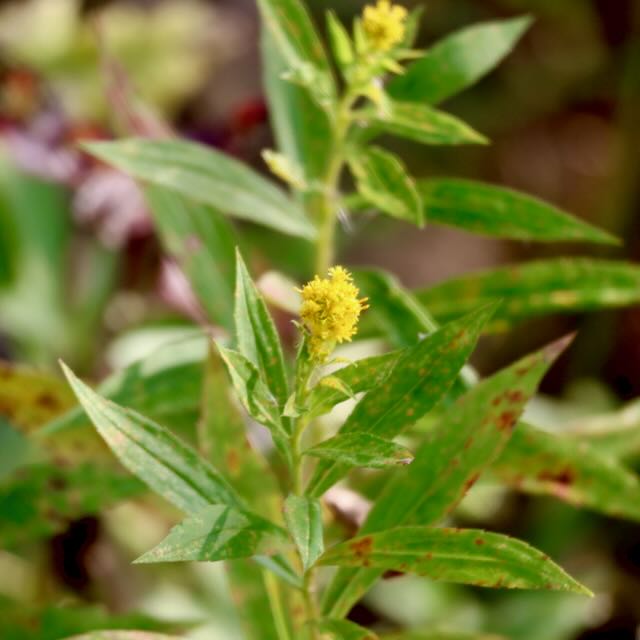
Despite being dismissed as a weed, and wrongly blamed for seasonal allergies, Goldenrod is a crucial asset, supporting entire ecosystems:
- Blooming August through October, Goldenrod is an annual, reliable and plentiful source of pollen and nectar for bees, wasps, and most especially migrating Monarch Butterflies at a time when most other pollinator-friendly plants have finished blooming for the year; and
- Goldenrod acts as a host for the larvae (caterpillars) of myriad moth and butterfly species; and
- Long after the migratory species have moved on, Goldenrod nourishes other wildlife with both its seeds (birds), and its plants (deer); and
- Goldenrod seeds often “land” and take root in disturbed soil. In those environments, its extensive and vigorous root systems help prevent erosion and, as they decompose each fall and winter, they enhance fertility and improve moisture retention.
Goldenrod Misinformation
If you’ve ever blamed a hay fever attack on Goldenrod you were almost certainly mistaken, even if you’ve tested positive for an allergy to it. Goldenrod seldom causes allergy attacks (unless you put your face directly on the blossom whilst inhaling), because its pollen is heavy, sticky and not airborne. Mother Nature cleverly designed Goldenrod pollen to cling to insects on contact.
Instead, most autumnal allergy attacks are caused by Ragweed which often grows alongside Goldenrod, blooms at the same time, and has small, light and dusty pollen that is easily carried on even the slightest breeze.
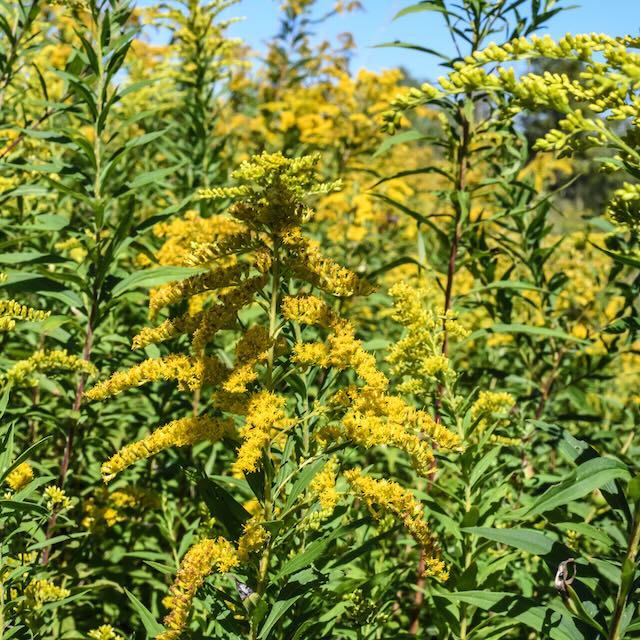
Goldenrod provides a burst of golden beauty each fall, it provides many benefits to people and wildlife, it is harmless and, it turns out, is a lucky charm. What nicer words could one pen about a humble wildflower?
‘Til next time, y’all…
†A keystone species is one on which many other species in the ecosystem rely; eradication would alter, and severely damage the ecosystem.
 Enchanting Essex
Leave a comment